Do you like coding puzzles? If so, you should go to AdventOfCode.com and prepare yourself for some funny little coding challenges.
Advent of Code is an Advent calendar of small programming puzzles for a variety of skill sets and skill levels that can be solved in any programming language you like.
Back in Oslo at last. After an online edition of NDC Oslo in 2020 and the travel restrictions at the start of the Omicron wave in 2021, I haven't been to Oslo for a while.
Visiting in September is in many ways different from June. It is colder, and it gets dark early (around 7 pm), yet Oslo is still the same with its constant changes. The Munch museum and the new Deichman main library are now open. After seeing for years how those buildings grow, I now had the opportunity to visit them. Both are close to the Oslo Opera House and worth a visit.
I'm using Kanban since 2011 to organize my work. From everyday tasks to small software projects and big holiday trips I could leverage the power of a simple and hassle free approach to reduce my work in progress. With less work in progress one can concentrate on getting the work done and is not constantly rescheduling it as part of an unsuccessful attempt to do multi-tasking.
Even if Kanban is a success for me, I had the feeling that something is missing to adapt Kanban in a bigger software project. When people with different responsibilities work together there need to be some common rules on how the work should be done. Plain Kanban doesn't answer this.
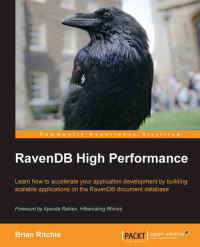
If you use RavenDB in your application you may find the one or other bottleneck. In that case the book "RavenDB High Performance" from Brian Ritchie (@brian_ritchie) may be a good read for you. It is full of practical advice about optimizing your application and getting the most out of RavenDB.